
Our Recommendation
Visiting to Japan, Living with Japanese People!
- A short stay in a homestay will open your eyes!
- A long stay in a homestay will let you gain a deeper understanding of Japanese culture and way of life!
- With more than 9,000 host family contacts!
- Make use of the unique life style of homestay to match your personal plan during your stay in Japan!
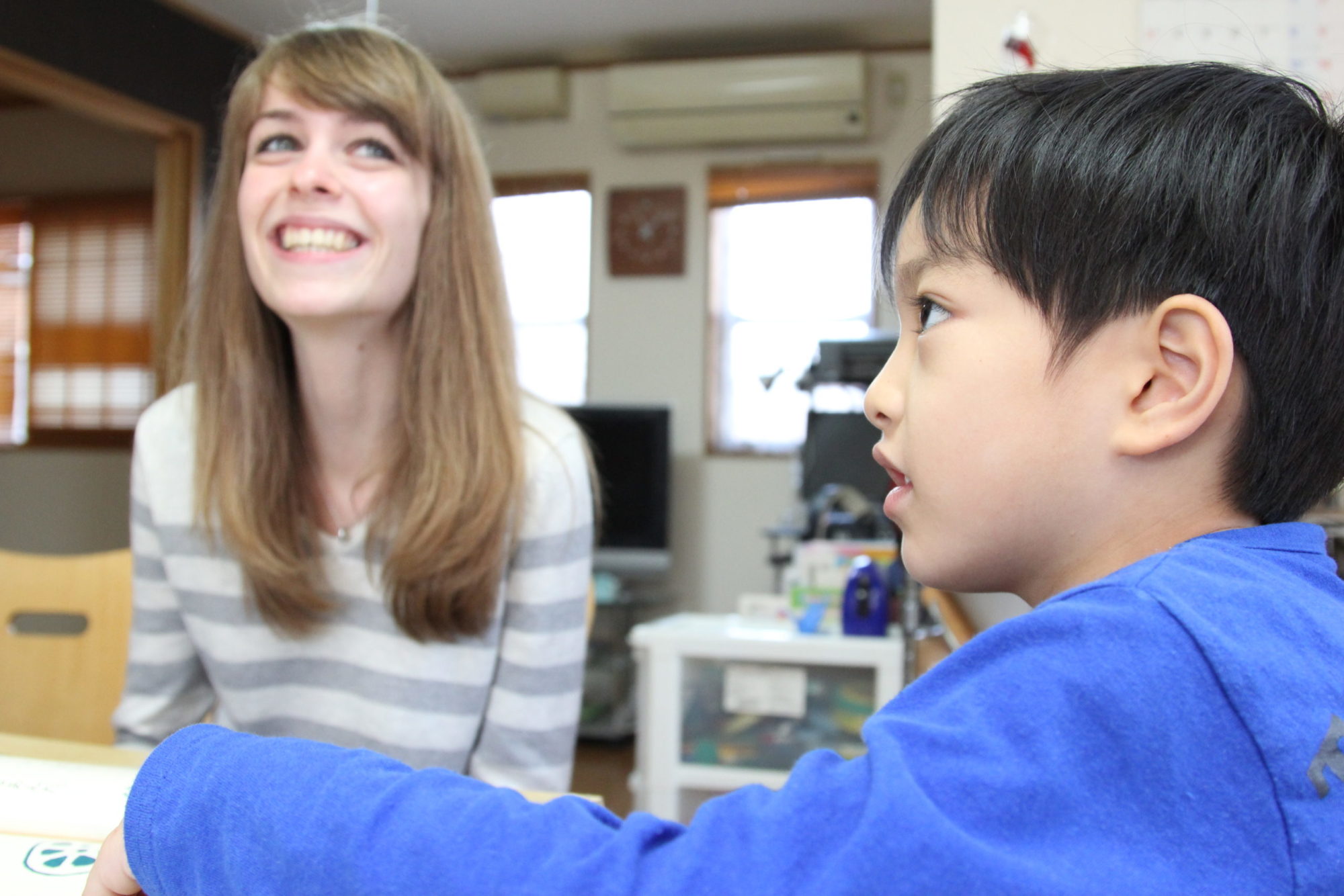
SHORT/LONG TERM STUDY, WORKING HOLIDAY, OR INTERNSHIP, IMMERSED IN JAPANESE LANGUAGE’S LIVING!
Regardless of whether it is a short/long term study, working holiday or internship, an immersion in the homestay lifestyle will increase your understanding of the distinctiveness of the Japanese lifestyle! Of course, you will also improve your Japanese language skills.** We will assist with and arrange your school in Japan.
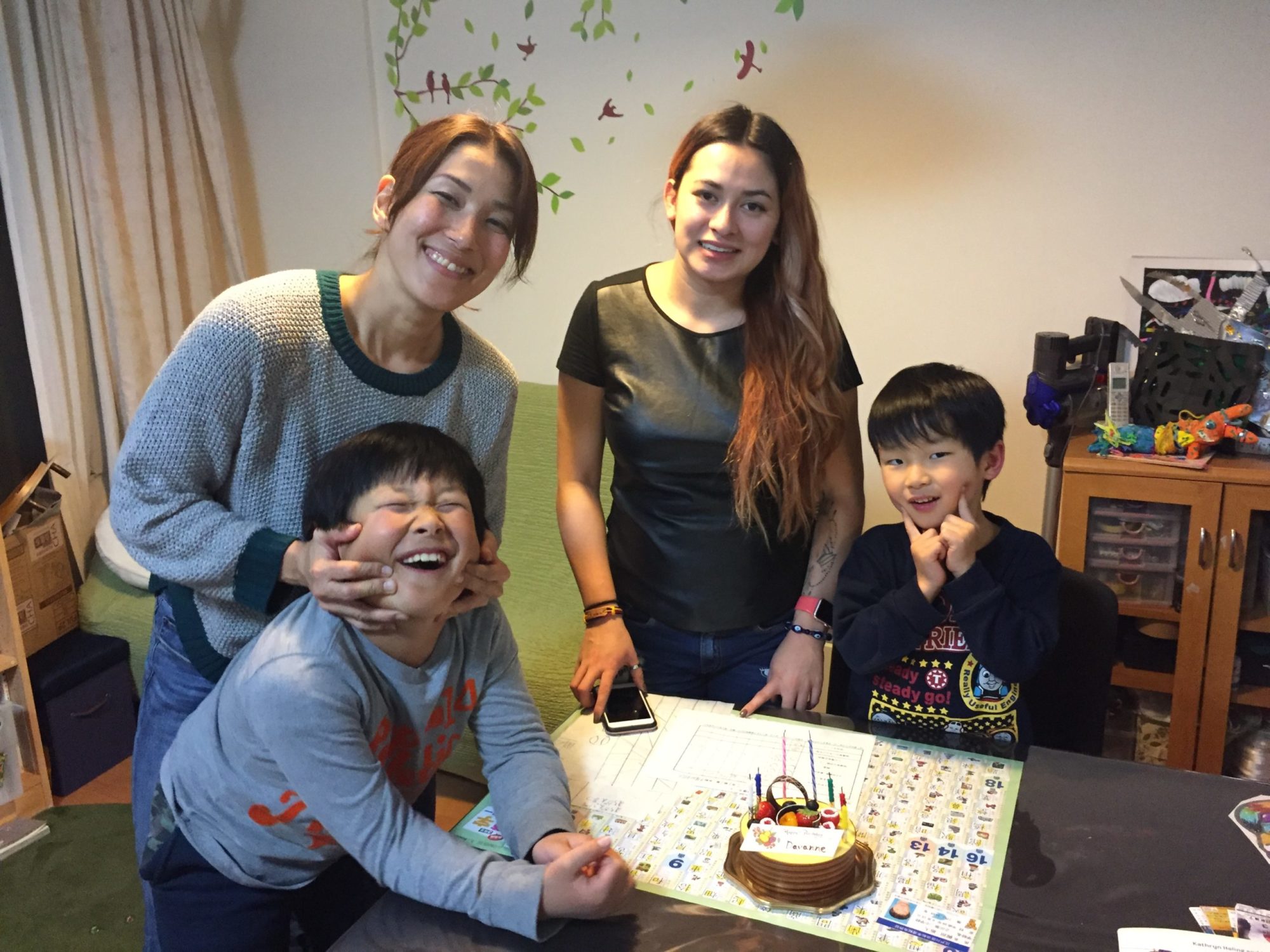
A WEEKEND HOMESTAY IS TO LET YOU KNOW HOW JAPANESE LIVE!
There are many foreigners living in Japan for extended periods; are they really understanding Japanese families’ way of life? Would you like to stay in a host family for one night?
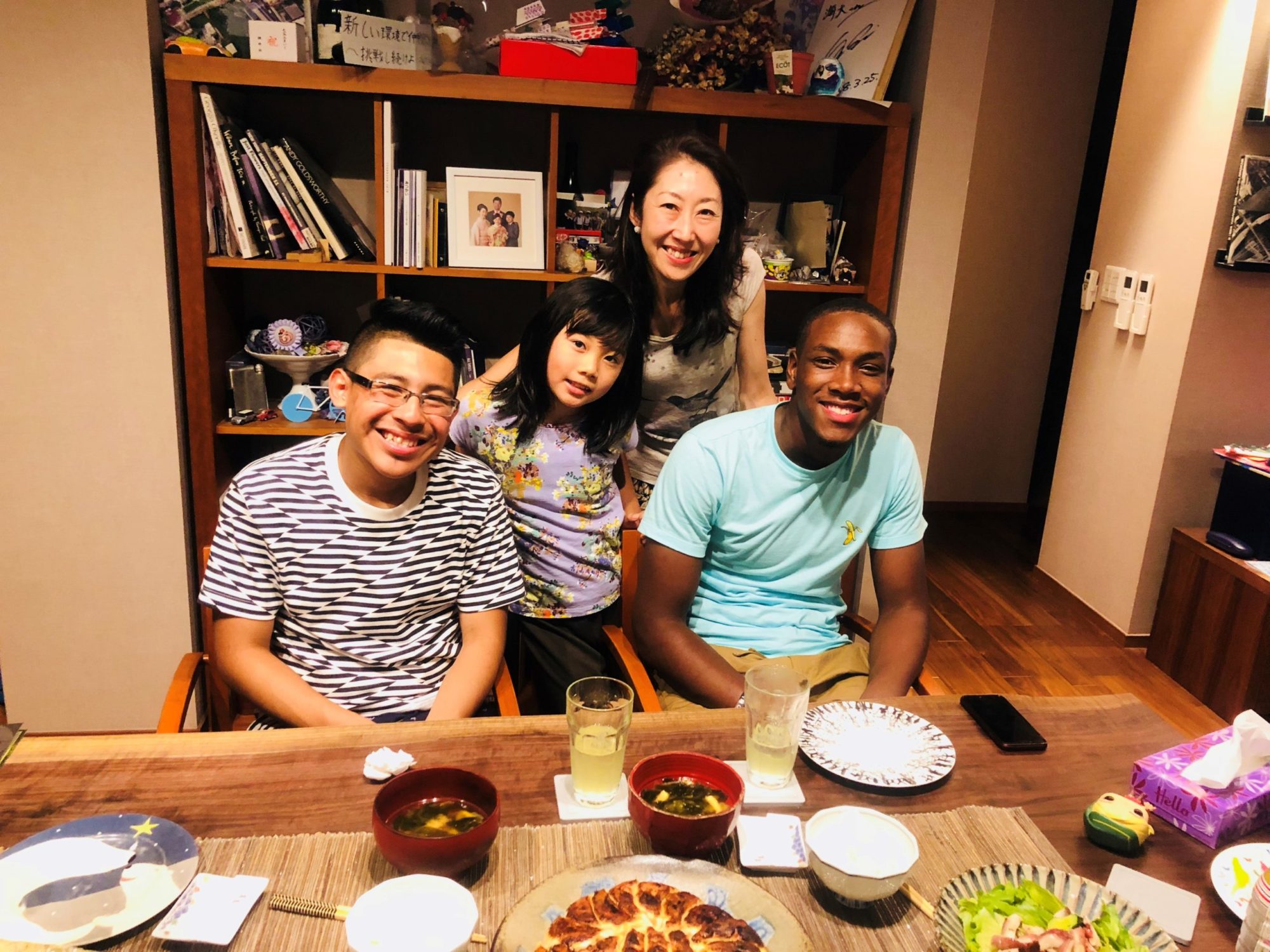
COMING FOR A STAY IN JAPAN, THE RIGHT CHOICE IS WITH THE HOME OF A JAPANESE FAMILY!
If you want interaction with Japanese people, or local recommendations on tourism and food, choosing homestay will definitely leave you with fantastic memories!
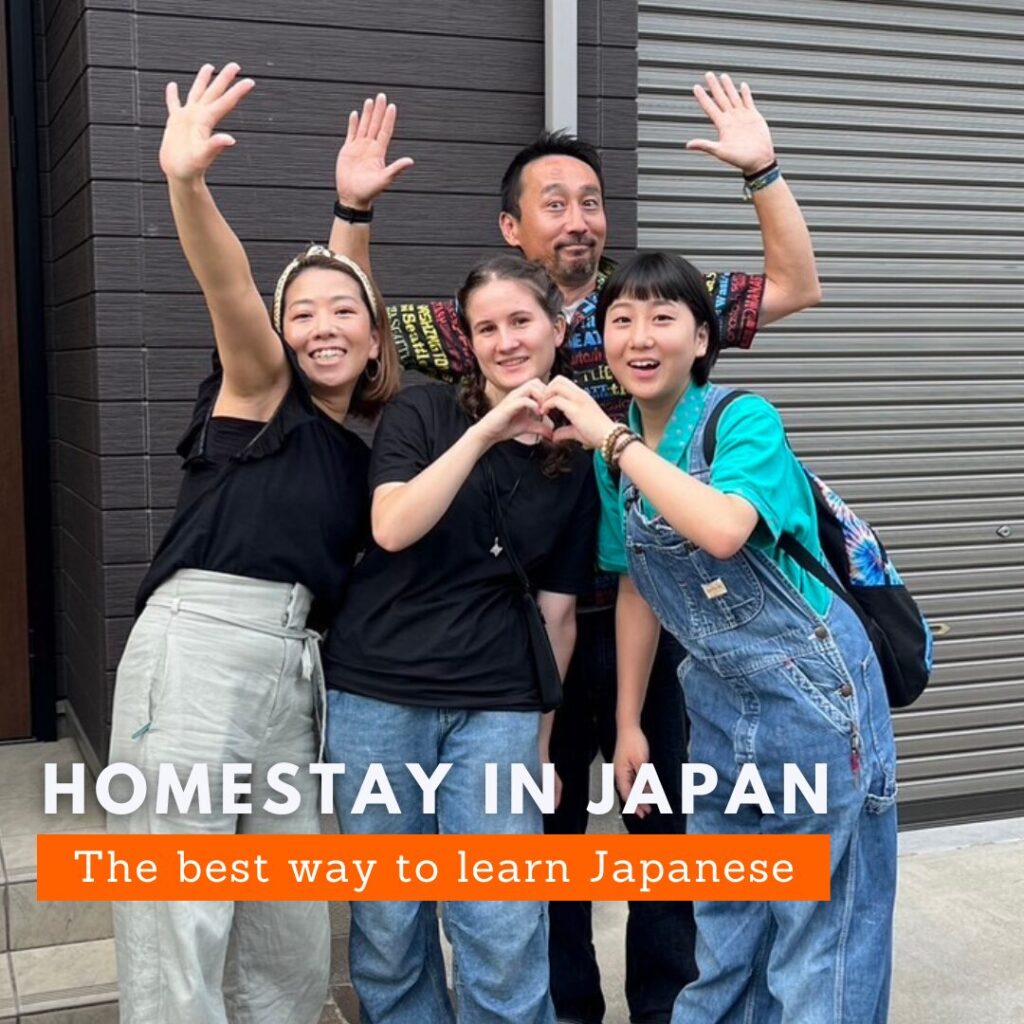
Why Homestay in Japan?
- Amount of host family -more than 9,000 host family among Japan-
- Perfect match -We have data base for each host family including their personality, life-style, hobbies ... etc -
- High quality customer support -Post-arrival orientation and 24 hour HOTLINE -
What's include our service?
- Private room
- Homemade food
Why trust us?
- 15 years experience - Helped over 20,000 guests
- Pertnership - Japan: 88 companies / Overseas: 77 companies -
- Professional staff - Speak surpported multiple language -